

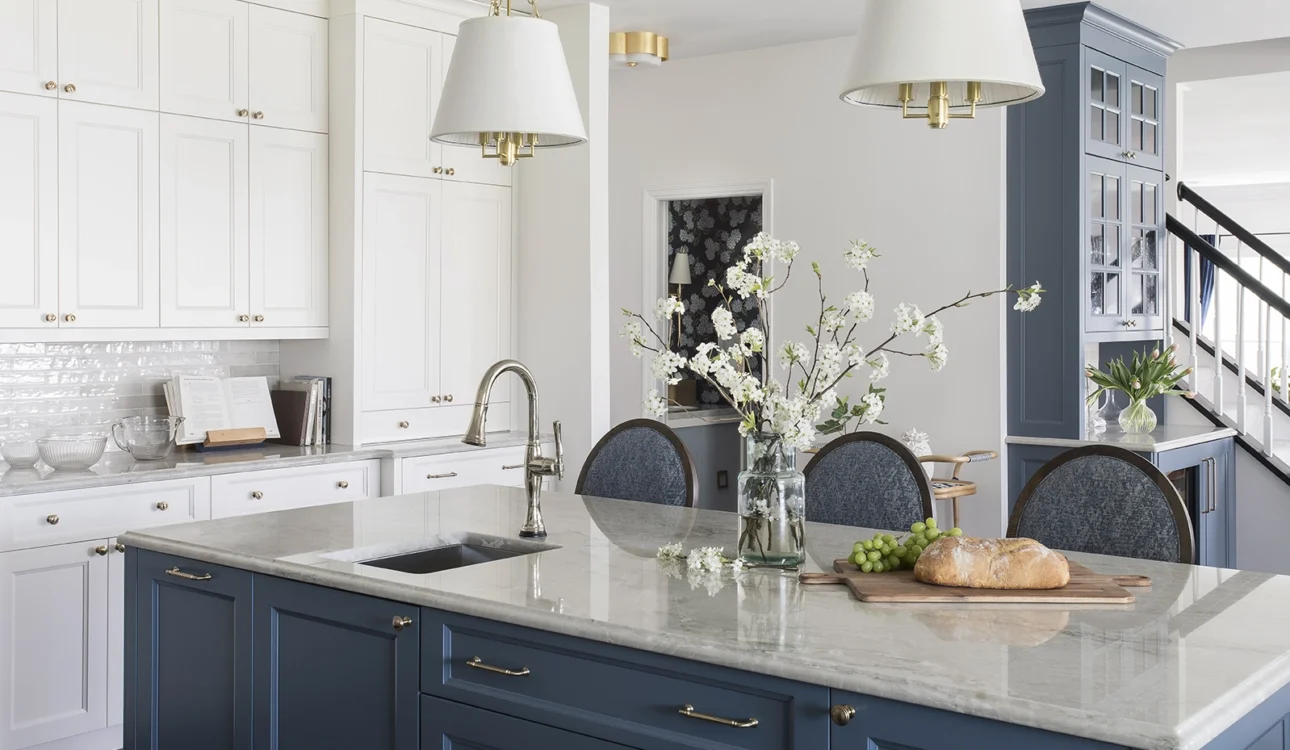
Few decisions in a kitchen or bathroom remodel carry as much visual and functional weight as the countertop. It anchors the design of the entire room, sets the tone for your cabinetry and finishes, and absorbs more daily wear than almost any other surface in your home. Choose the wrong material, and you may end up with stains, scratches, or a look that feels dated within just a few years. Choose the right one, and you get decades of beauty paired with reliable, everyday performance.
The challenge with countertop selection is balancing several factors at once: aesthetics, durability, maintenance, and budget. A material that looks stunning in a showroom may not hold up to a busy family kitchen, while the most durable option might not deliver the design statement you’re after. Homeowners today have more choices than ever, ranging from classic natural stone countertops to advanced engineered surfaces, each with its own strengths, limitations, and ideal use cases.
In this guide, we’ll break down the most popular countertop materials, how to match them to your lifestyle, and the designs shaping homes across the region. Whether you’re planning a full kitchen redesign or updating your bathroom, RSI Kitchen & Bath has helped homeowners throughout St. Louis and Columbia choose countertop solutions that fit their space, budget, and everyday routines.
Why Your Countertop Choice Matters
The Visual Impact of Countertops
Your countertops provide a work surface and help define the overall design style of your kitchen or bathroom. A slab with bold veining can become the focal point of the room, while a quiet, monochromatic surface lets cabinetry, backsplash, and lighting take center stage. Either way, the countertop sets the tone for everything else to coordinate with.
Color, pattern, and finish all need to work together with your cabinetry, flooring, and backsplash to create a cohesive look. A warm wood-toned cabinet might pair beautifully with a creamy marble-look quartz, while sleek, high-gloss cabinetry often calls for a countertop with more movement or contrast to avoid feeling flat. Popular styles, like natural-looking stone patterns, soft matte finishes, and warmer neutral tones that feel timeless rather than trend-driven, help your investment look fresh for years to come.
Performance in Everyday Use
Beyond looks, your countertop needs to perform under real-world conditions, with exposure to hot pans, sharp knives, spilled wine, acidic foods, and constant cleaning. Resistance to scratches, stains, heat, and moisture varies significantly among materials, and the right choice often depends on how the space is used day-to-day.
In high-traffic kitchens, especially, durability is a long-term value consideration. A countertop that chips, stains, or requires frequent resealing can become a recurring expense and a source of frustration. Investing in a material suited to your household’s habits now can save significant time, money, and hassle down the road while also protecting your home’s resale value.
Popular Countertop Materials Compared
Quartz Countertops
Quartz countertops are engineered from roughly 90 to 95 percent crushed natural quartz combined with resins and pigments, creating a hard, non-porous surface. Because they’re manufactured rather than cut from a single slab of stone, quartz countertops offer remarkably consistent color and pattern from edge to edge, making it much easier to match pieces across an island or a large run of cabinetry.
One of quartz’s biggest advantages is low maintenance. Unlike natural stone, quartz never needs sealing and is stain-resistant against coffee, wine, and oils. It’s also highly resistant to scratches and chipping under normal use. Combined with a wide range of available colors and patterns, including realistic marble and granite looks, it’s easy to see why quartz remains one of the most popular countertop choices among homeowners renovating kitchens and bathrooms alike.
Granite Countertops
Granite is a natural igneous stone formed over millions of years, and no two slabs are exactly alike. That natural variation is part of its appeal, as each granite countertop features unique patterns, mineral flecks, and color variations that give a kitchen or bathroom a one-of-a-kind look that engineered materials can’t fully replicate.
Granite is also prized as a heat-resistant material, making it a practical choice for cooks who frequently set hot pads and pans directly on the surface. With proper care, granite countertops can last for decades. That care typically includes periodic sealing, usually once a year, depending on the specific stone and sealant used, to protect the porous surface against staining and bacteria.
Marble Countertops
Marble is the material most associated with luxury, and for good reason. Its soft veining and timeless elegance have made it a staple in high-end kitchens and primary bathrooms for centuries. Marble works especially well on bathroom vanities, fireplace surrounds, and accent islands, where its beauty can shine without heavy daily use.
That said, marble is softer and more porous than granite or quartz, making it more susceptible to etching by acidic substances such as lemon juice, vinegar, and wine, as well as staining if spills aren’t addressed promptly. Its porous nature means liquids can penetrate the surface and leave marks even with routine use. Homeowners who choose marble for active kitchen use should plan for regular sealing and a willingness to embrace some natural patina over time as part of the material’s character.
Wood Countertops
For homeowners who want warmth and natural character, wood countertops bring a texture and tone that engineered materials simply can’t replicate. They pair especially well with farmhouse, transitional, and modern-rustic kitchen designs, often used as an accent on an island while other surfaces handle heavier-duty tasks.
Homeowners today can choose from a wide range of wood species that extend beyond classic butcher block, including rich walnut, warm cherry, and moisture-resistant teak, each with its own grain pattern, color tone, and personality. Wood does require more maintenance than stone or quartz, including periodic oiling or sealing to prevent drying, cracking, and water damage. Wood surfaces are best suited for light-to-moderate use, such as a baking station or coffee bar, rather than as the primary prep zone in a high-volume kitchen.
Quartzite Countertops
Quartzite is a natural stone that’s often confused with engineered quartz, but the two are entirely different. Quartzite forms when sandstone is subjected to intense heat and pressure deep within the earth, producing a dense, crystalline stone that, in terms of its aesthetic, falls within the marble family. The result is a surface that shares marble’s stunning visual depth and soft veining while offering significantly greater hardness and durability.
The appeal of quartzite is in its ability to deliver a high-end, natural stone look that’s truly one of a kind, with color variation ranging from soft whites and grays to dramatic golds and blues, depending on the slab. It’s also harder than marble, giving it better resistance to scratching and etching in everyday use. Like other natural stones, quartzite is porous and does require periodic sealing to protect against staining. It is one of the more expensive countertop options on the market, but for homeowners pursuing a luxury remodel, the combination of natural beauty and lasting performance makes it a worthy investment.
How to Choose the Best Countertop for Your Lifestyle
For Busy Families
Households with kids, pets, and a constant rotation of meals benefit most from durable, low-maintenance surfaces. Quartz is often the top recommendation here, since it resists staining and scratching without requiring sealing or special cleaners. The ease of quickly wiping down spills, without worrying about etching or long-term damage, makes quartz a practical fit for the realities of everyday family life.
For Home Chefs
If you spend significant time cooking, heat resistance becomes a major factor. Granite naturally handles hot cookware well, and many quartz products are formulated to resist heat from everyday use, though trivets are still recommended for very high temperatures. Home chefs should also consider how a material performs with frequent knife use, food prep, and exposure to acidic ingredients when selecting their primary work surface.
For Luxury Remodels
When the goal is a showpiece kitchen or bathroom, premium materials like marble, exotic granite, and quartzite often take center stage. These design-driven selections, especially when paired with features like waterfall edges or oversized islands, can meaningfully boost a home’s appeal and resale value, signaling quality and craftsmanship to future buyers.
For Budget-Conscious Renovations
A beautiful remodel doesn’t have to mean a high-end price tag. Laminate and solid surface countertops offer attractive, durable options at a fraction of the cost of natural stone, while entry-level quartz lines deliver much of the look and performance of premium quartz at a more accessible price point. The key is balancing where to invest, often in the most-used surfaces, and where to save.
Countertop Design Trends in St. Louis and Columbia Homes
Popular Colors and Finishes
Across both St. Louis and Columbia, homeowners are gravitating toward warm and cool neutral palettes, soft whites, greiges, and deep charcoals, often featuring subtle veining that adds depth without overwhelming the space. Satin and honed finishes are also gaining popularity as an alternative to traditional polished surfaces, offering a more organic, tactile feel that complements both modern and transitional kitchen styles.
Waterfall Edges and Statement Islands
Waterfall edges, where the countertop material continues vertically down the sides of an island or peninsula, have become one of the most requested features in contemporary kitchen designs. This continuous look creates a striking, sculptural effect and works particularly well with materials that have bold veining or movement. For homeowners working with our design team, a statement island is often one of the most impactful upgrades in a kitchen remodel.
Mixing Materials for a Custom Look
Increasingly, homeowners are combining two or more countertop materials in the same space, pairing durable quartz on the main counters with a butcher-block accent on the island, for example. This approach allows each surface to be matched to its specific use while creating visual interest through contrast in color, texture, and finish, a hallmark of custom design work.
Professional Countertop Installation Matters
Accurate Measurements and Fabrication
Even the best countertop material can fall short if it isn’t measured and fabricated precisely. Cabinets are rarely perfectly square, walls can be slightly out of plumb, and appliance cutouts need to be exact. Professional templating and fabrication account for these real-world variances, helping to avoid costly issues such as gaps, uneven overhangs, or countertops that don’t fit as expected on installation day.
Seam Placement and Finishing Details
On larger countertop runs, seams are sometimes unavoidable, but where they’re placed and how well they’re finished make a significant difference in the final appearance. Experienced fabricators plan seam locations carefully to minimize visibility and ensure a smooth, level transition between pieces. Edge profiles, polish quality, and sink cutouts are all details that separate a professional installation from a noticeably amateur one.
Working with an Experienced Remodeling Team
Countertops don’t exist in isolation. They need to work in harmony with cabinetry, plumbing fixtures, lighting, and the overall design plan. Working with a remodeling team that coordinates all of these elements together helps ensure your countertop selection complements the rest of your space, rather than being chosen and installed as an afterthought.
Common Questions About Countertop Materials
What is the most durable countertop material?
Quartz and granite are generally considered the most durable options for everyday kitchen use, offering excellent resistance to scratches, heat, and stains. Quartzite, a natural stone often confused with quartz, is also exceptionally hard and durable, though it typically comes at a higher price point.
Are quartz countertops better than granite?
Neither material is universally “better,” they simply offer different advantages. Quartz requires no sealing and offers consistent patterns, while granite provides unique natural variation and excellent heat resistance, though it requires periodic maintenance. The right choice depends on your priorities around appearance, maintenance routine, and budget.
Which countertop material is easiest to maintain?
Quartz and solid surface countertops are generally the easiest to maintain, since neither requires sealing, and both clean up easily with mild soap and water. Natural stones like granite and marble require periodic sealing to maintain their stain resistance over time.
What countertop material adds the most value to a home?
Natural stone and high-quality quartz countertops are widely viewed by buyers as premium upgrades and can positively influence a home’s perceived value, particularly in kitchens and primary bathrooms. The right material paired with thoughtful design, like a waterfall island or coordinated finishes, can make an even stronger impression.
How long do kitchen countertops last?
With proper care, quartz, granite, and marble countertops can last 20 to 30 years or more, often outlasting other kitchen elements. Solid surface countertops last 15 to 20 years, while butcher block, with regular oiling and maintenance, can last many years but may need more frequent attention or refinishing.
Find the Perfect Countertops for Your Home
Choosing the right countertop is one of the most impactful decisions you’ll make in a kitchen or bathroom remodel, and it’s a decision worth getting right. From durability and maintenance to style and resale value, the best choice depends on your home, your habits, and your goals for the space.
RSI Kitchen & Bath has helped homeowners throughout St. Louis and Columbia navigate exactly these decisions, pairing expert guidance on countertop materials with professional design and installation services. If you’re ready to explore your options, contact our team to schedule a design consultation, or stop by our St. Louis showroom or Columbia showroom to see and feel countertop materials in person before you decide.