

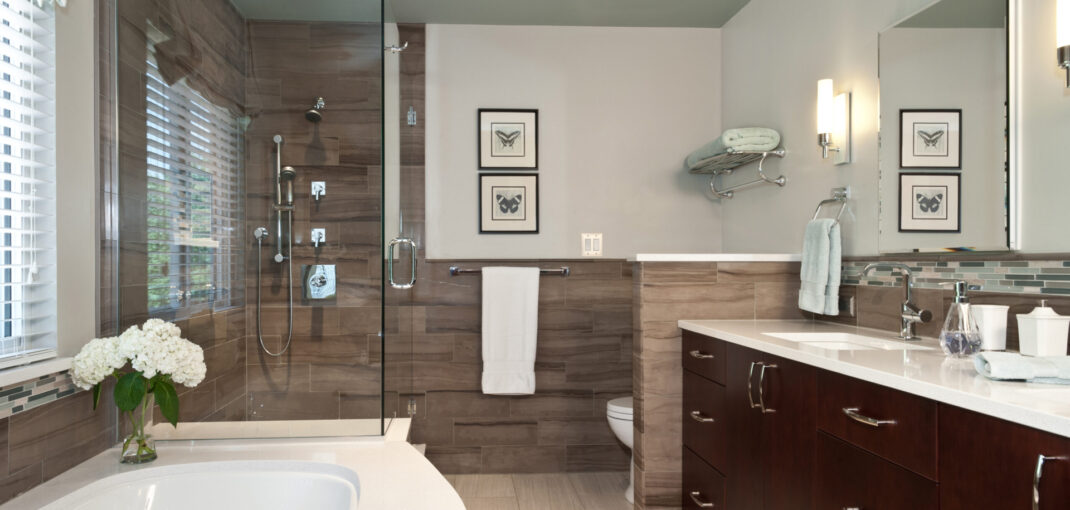
Once homeowners have a handle on the budget, the next question is almost always about time: how long will my bathroom actually be out of commission? It’s a fair question, and the honest answer is that it depends. A quick refresh with a new vanity and updated lighting might wrap up in a week or two, while a full gut renovation that reroutes plumbing and reworks the layout can take two months or more.
The good news is that timelines are far more predictable than most homeowners expect, as long as the scope is defined up front. Below is a realistic, project-by-project breakdown of how long a bathroom renovation takes, the factors most likely to add time, and what the remodeling process actually looks like, from the first consultation to the final walkthrough.
Average Bathroom Remodel Timelines by Project Type
Every bathroom is different, but most projects fall into one of three general categories. Knowing which one best describes your plans is the fastest way to set realistic expectations before construction ever starts.
Cosmetic Refresh: 1-2 Weeks
A cosmetic refresh keeps the existing layout, plumbing, and electrical in place and focuses on surface-level updates, like a new vanity, painting walls, updated light fixtures, and swapped-out faucets. Because there’s no demolition to the framing, plumbing or flooring, this is the fastest path to a noticeably different bathroom.
Full Remodel: 6-12+ Weeks
A full remodel involves a complete gut of the space, potential layout changes, and updates to plumbing and electrical systems. Because it typically requires permitting, inspections, and coordinated work across multiple trades, this is where a dedicated bathroom designer earns their keep, keeping the sequence of demolition, rough-in, and installation moving without unnecessary gaps.
It’s worth noting that these construction schedule ranges assume materials are in stock and that no major issues turn up once demolition begins. In practice, both of these assumptions can shift the timeline.
What Affects a Bathroom Remodel Timeline?
The project type ranges above are a solid starting point, but several variables can stretch or compress a bathroom remodel timeline. Understanding them ahead of time is the best defense against surprises mid-project.
- Scope of Work: Whether the project is a cosmetic update or a full gut is, by far, the single biggest driver of how long a remodel takes. Layout changes, in particular, add time since they affect plumbing, framing, and often electrical work.
- Permitting: Projects involving plumbing, electrical, or structural changes typically require a permit before demolition can begin. Depending on the local building department, this step alone can add anywhere from a few days to several weeks. RSI submits permit applications while materials are still on order, so this step typically doesn’t add extra time to the overall schedule.
- Material Lead Times: Custom cabinetry, special-order tile, and certain fixtures, such as frameless shower glass or freestanding tubs, can take several weeks to arrive. Lead times for specialty and imported materials have remained a common source of delay, which is why ordering early during the design phase is essential. For custom shower glass, an on-site template is required, which can’t happen until the shower tile is installed, and can add 3-4 weeks to the schedule. A basic sliding shower door, on the other hand, can be preordered without a template.
- Age of the Home: Older homes are more likely to reveal hidden issues once demolition begins, such as outdated plumbing, mud-set tile, or water damage behind the walls. These discoveries aren’t uncommon, but they do require time to address properly before the project can move forward.
- Contractor and Trade Scheduling: Plumbers, electricians, and installers must work in a specific sequence. How efficiently that coordination occurs directly affects how smoothly and quickly the project moves from one phase to the next. This matters even more in a bathroom than in a larger space like a kitchen. Bathrooms are tight quarters that typically only accommodate one trade at a time.
Timeline and budget are closely connected, too. As you plan your project and budget, it’s crucial to factor in costs for the unexpected, so that even if an issue is uncovered, your budget won’t take a potentially massive hit.
The Bathroom Remodel Process, Step by Step
Knowing the general phases of a bathroom remodel makes it easier to understand where the time actually goes and why a well-planned design phase up front keeps the faster-moving construction phases on schedule.
- Design Consultation and Planning: Establishing layout, style direction, and budget before anything is ordered
- Material Selection: Choosing cabinetry, tile, fixtures, and finishes
- Permitting (if required): Submitting drawings and securing approval before demolition begins
- Demolition: Removing existing fixtures, tile, and flooring
- Plumbing and Electrical Rough-In: Updating what’s behind the walls before finishes go in
- Inspections: Verifying code compliance before construction continues
- Installation: Tile, cabinetry, countertops, fixtures, and finishing details. Countertops and shower doors are often templated on-site after the surrounding work is complete, with professional installation following 2-3 weeks later.
- Final Walkthrough and Cleanup: Confirming every detail meets expectations before the space is turned back over
Notice that the first three steps happen before a single wall comes down. See how our designers manage this process to lock in decisions early, and move through the demolition and construction phases far more predictably than those that still make selections mid-project.
DIY Bathroom Remodel vs. Hiring a Pro: How the Timeline Compares
It’s tempting to take on all or part of a bathroom remodel as a DIY project, especially with so many tutorials and how-to guides available. But when it comes to the timeline, a DIY bathroom remodel almost always takes longer than a professionally managed one, and often considerably so.
Here are a few reasons why the DIY bathroom renovation can be much slower:
- Nights-and-weekends pace: Most DIY projects only move forward when the homeowner has free time, which stretches a job that could take a few weeks into a few months.
- No established trade relationships: Without existing relationships with plumbers, electricians, and installers, homeowners often work around other contractors’ availability rather than coordinating a schedule.
- Permitting and inspection learning curve: Incomplete applications or plan revisions are common among first-time filers, and each round of corrections delays demolition.
- Sequencing mistakes: Rough-in work, waterproofing, and tile all have to happen in a specific order. A misstep in that sequence, or materials ordered at the wrong stage, can mean redoing work that’s already finished.
This is where working with a professional design-build team changes the equation. RSI Kitchen & Bath uses dedicated project managers and installers on most projects, so design, material ordering, demolition, and installation are coordinated under one roof rather than pieced together across independent vendors. That kind of built-in coordination is what keeps a project’s timeline realistic and predictable, rather than dependent on everyone else’s schedule falling into place at the right time.
Homeowners who already have a contractor they trust don’t have to choose between the two, either. RSI’s design team can work alongside an existing contractor when that’s the preferred approach, bringing the same design expertise and material sourcing to a project while the homeowner’s contractor handles the on-site labor.
How to Keep Your Bathroom Remodel on Schedule
Most timeline overruns trace back to a handful of avoidable causes. A few planning habits go a long way toward keeping a project on track:
- Finalize design and material selections before demolition starts, rather than making decisions mid-project
- Order custom or special-order items, like cabinetry, tiles, and fixtures, as early as possible to avoid waiting on backorders once construction is underway
- Set aside a contingency window for older homes, where hidden issues behind the walls or under the floor are more likely to surface
- Work with a designer who coordinates contractors and scheduling, rather than managing multiple trades independently
Seeing finished projects can also help set realistic expectations for scope and pacing. RSI’s portfolio of completed bathroom remodels showcases a range of cosmetic refreshes and full renovations, offering a sense of what’s possible within different timelines and budgets.
Ready to Plan Your Bathroom Remodel Timeline?
Every bathroom remodel timeline is unique, shaped by the scope of work, the home’s age, and the materials used. The estimates above are a reliable starting point, but the only way to get a schedule tailored to your specific project is to talk it through with a designer who can map out the sequence from first consultation to final walkthrough.
RSI Kitchen & Bath’s design team is ready to walk through your scope, budget, and timeline together, and help you remodel your bathroom on a schedule that works for your household. Schedule a consultation to get a realistic plan built around your bathroom today.